


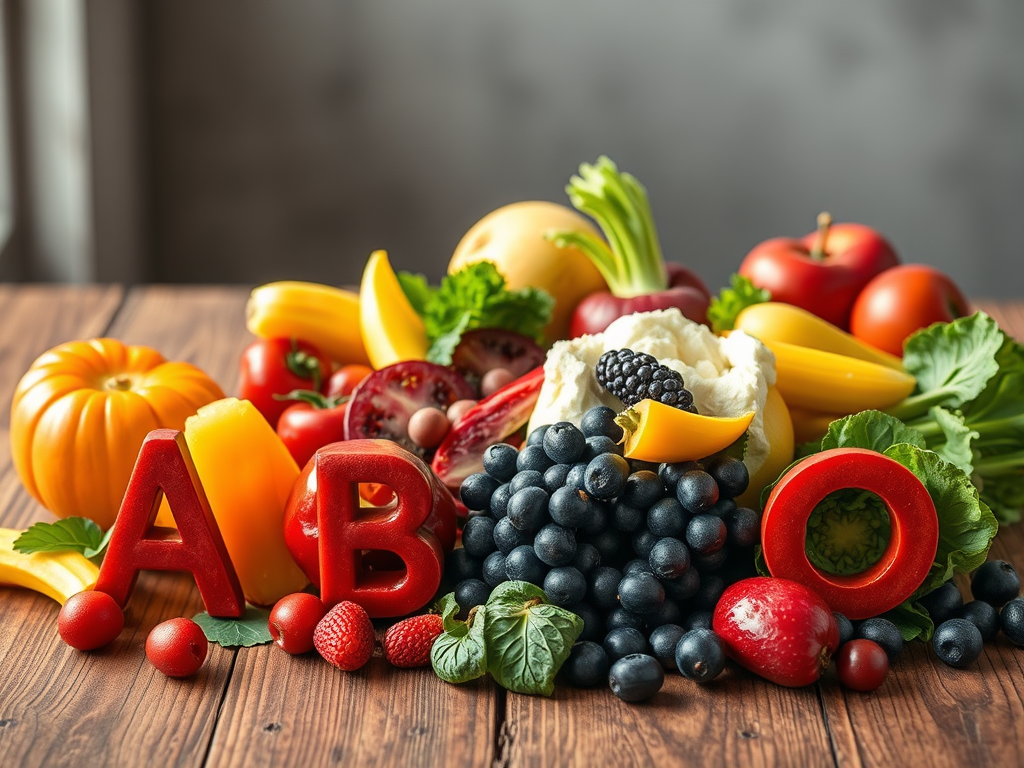
The Importance of Knowing Your Blood Group Type
Understanding your blood group type is more than just a common fact; it holds significance for your health and dietary choices. With four primary blood groups—A, B, AB, and O—each person’s body may react differently to certain foods. This fundamental knowledge can empower individuals to make informed decisions that can positively impact their health and well-being.
The Diverse World of Blood Types
Each blood type has its unique characteristics. For example, people with type A blood may benefit from a vegetarian diet rich in fruits and vegetables, while type O individuals often thrive on protein-heavy diets. Understanding these differences is crucial because some foods that are excellent for one person might not be suitable for another. Incorporating a diet aligned with one’s blood type can help reduce the risk of various health issues and promote overall wellness.
Food and Health: The Link to Blood Types
Recent studies and dietary theories suggest that eating according to your blood type can aid digestion, enhance energy, and even prevent illnesses. For instance:
- Type A: These individuals tend to have a more sensitive immune system and may experience issues with processed foods. A focus on organic produce, whole grains, and lean proteins can create a healthier balance.
- The Importance of Knowing Your Blood Group Type
- Understanding your blood group type is more than just a trivia fact; it holds significance for your health and dietary choices.
- With four primary blood groups—A, B, AB, and O—each person’s body may react differently to certain foods. This fundamental knowledge can empower individuals to make informed decisions that can positively impact their health and well-being.
- Each blood type has its unique characteristics. For example, people with type A blood may benefit from a vegetarian diet rich in fruits and vegetables, while type O individuals often thrive on protein-heavy diets. Understanding these differences is crucial because some foods that are excellent for one person might not be suitable for another. Incorporating a diet aligned with one’s blood type can help reduce the risk of various health issues and promote overall wellness.
- Food and Health: The Link to Blood Types
- Recent studies and dietary theories suggest that eating according to your blood type can aid digestion, enhance energy, and even prevent illnesses. For instance:
- Type A: These individuals tend to have a more sensitive immune system and may experience issues with processed foods. A focus on organic produce, whole grains, and lean proteins can create a healthier balance.
- Type B: Known for a versatile digestive system, those with type B blood can enjoy a mixed diet but should be cautious with chicken and corn, as these foods can provoke some negative health reactions.
- Type AB: This blood type combines traits from A and B, allowing for a diverse diet. However, they should be cautious of certain beans and seeds that might disrupt their health.
- Type O: Often referred to as the “hunter,” individuals with type O typically thrive on a high-protein diet. They should be wary of grains and dairy, which can cause health complications.
- By understanding what foods are suitable for their specific blood type, individuals can take control of their health and potentially avoid chronic diseases, digestive issues, and other health concerns.
- A Pioneering Insight: Eat Right 4 Your Type
- In 1996, naturopathic doctor Peter J. D’Adamo made significant waves in health and nutrition with his best-selling book, Eat Right 4 Your Type. This groundbreaking work popularized the concept of eating according to blood type and presented a detailed guide on how each group interacts with various foods. D’Adamo’s insights have encouraged individuals to explore personalized nutrition and reconsider their eating habits in a way that respects their unique biological needs.
- Taking Control of Your Health
- Knowledge is power, especially when it comes to health. By knowing your blood type, you can tailor your diet accordingly, ultimately taking charge of your well-being. It becomes easier to prevent illnesses and maintain energy levels when you learn how particular foods affect your blood type.
- Moreover, staying mindful of your dietary choices fosters a conscious approach to eating. Instead of following generic dietary trends, you can make choices that suit your unique physiological makeup, promoting a healthier lifestyle.
- Type B: Known for a versatile digestive system, those with type B blood can enjoy a mixed diet but should be cautious with chicken and corn, as these foods can provoke some negative health reactions.
- Type AB: This blood type combines traits from A and B, allowing for a diverse diet. However, they should be cautious of certain beans and seeds that might disrupt their health.
- Type O: Often referred to as the “hunter,” individuals with type O typically thrive on a high-protein diet. They should be wary of grains and dairy, which can cause health complications.
By understanding what foods are suitable for their specific blood type, individuals can take control of their health and potentially avoid chronic diseases, digestive issues, and other health concerns.
A Pioneering Insight: Eat Right 4 Your Type
In 1996, naturopathic doctor Peter J. D’Adamo made significant waves in health and nutrition with his best-selling book, Eat Right 4 Your Type. This groundbreaking work popularized the concept of eating according to blood type and presented a detailed guide on how each group interacts with various foods. D’Adamo’s insights have encouraged individuals to explore personalized nutrition and reconsider their eating habits in a way that respects their unique biological needs.
Taking Control of Your Health
Knowledge is power, especially when it comes to health. By knowing your blood type, you can tailor your diet accordingly, ultimately taking charge of your well-being. It becomes easier to prevent illnesses and maintain energy levels when you learn how particular foods affect your blood type.
Moreover, staying mindful of your dietary choices fosters a conscious approach to eating. Instead of following generic dietary trends, you can make choices that suit your unique physiological makeup, promoting a healthier lifestyle.
Conclusion
In conclusion, knowing your blood group type is a crucial step toward enhancing your health. By aligning your diet with your blood type, you can minimize health risks and potentially mitigate the onset of chronic illnesses. So, take the time to find out your blood type—it’s a small piece of information that can lead to significant health benefits and a deeper understanding of your body’s needs. Empower yourself with knowledge and take proactive steps toward a healthier future!

Leave a comment