


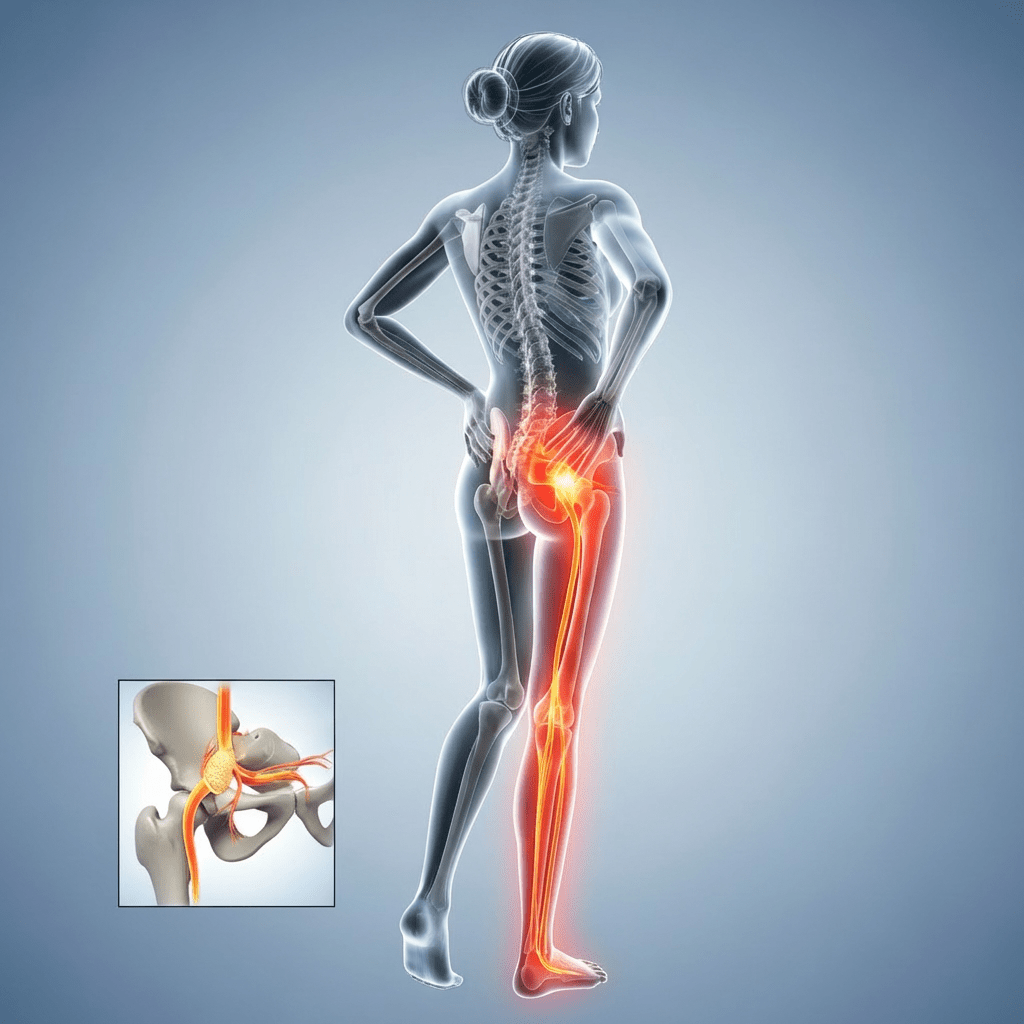
Healing Naturally with Exercise
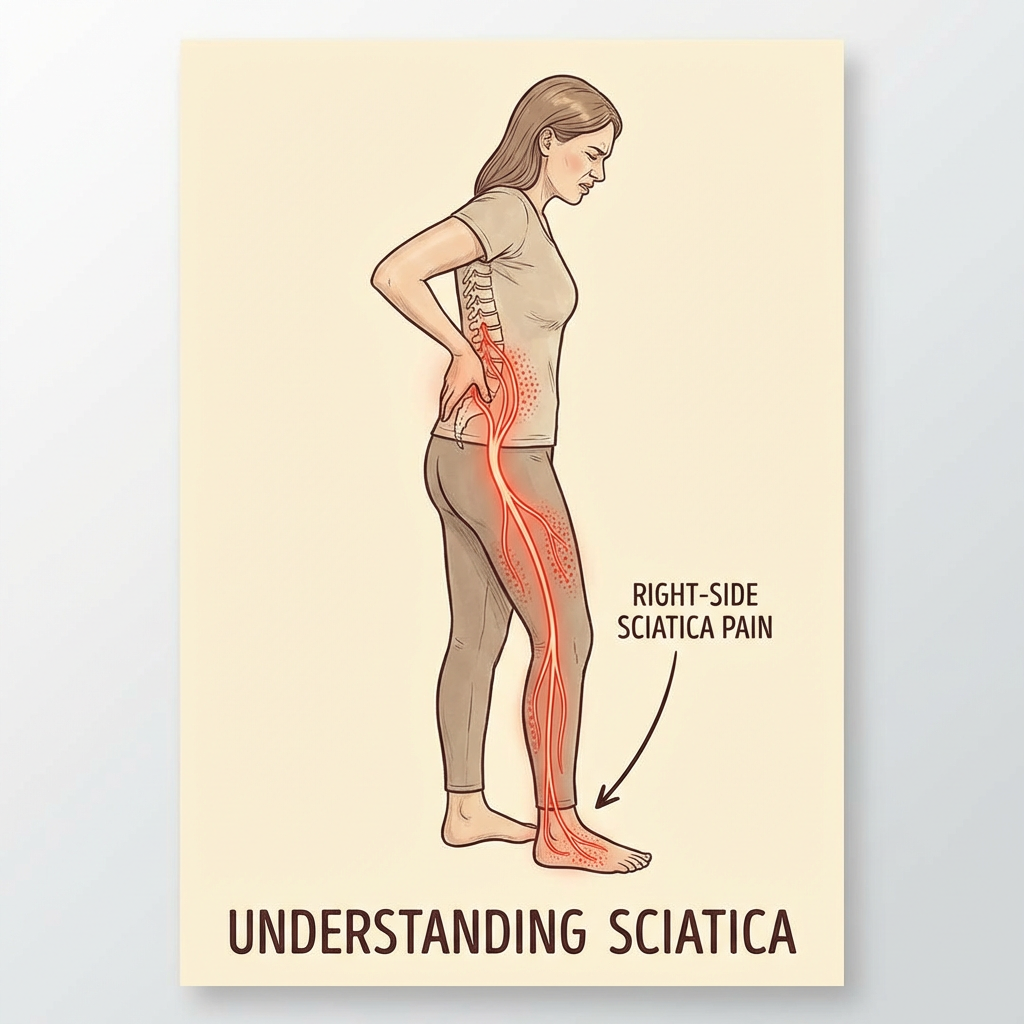
The Importance of a Healthy Lifestyle to Prevent Sciatica
Sciatica, characterized by pain that radiates along the path of the sciatic nerve, can be debilitating and significantly impact one’s quality of life. Fortunately, adopting a healthy lifestyle plays a crucial role in preventing this condition.
First and foremost, maintaining regular physical activity strengthens the muscles that support the spine, ultimately reducing the risk of herniated discs and nerve compression. Activities like walking, swimming, or tailored exercises can increase flexibility and core strength, which are vital in avoiding sciatica symptoms.
Additionally, proper nutrition is essential for maintaining a healthy weight. Excess weight places added strain on the spine and surrounding tissues, increasing the likelihood of nerve irritation. A diet rich in fruits, vegetables, lean proteins, and healthy fats promotes overall well-being and helps prevent obesity.
Lastly, practicing good posture, both when sitting and standing, can significantly alleviate pressure on the sciatic nerve. Ergonomic furniture and mindful movement habits can contribute to spinal health.
By prioritizing a healthy lifestyle, individuals can effectively reduce their chances of developing sciatica and enjoy a more active, pain-free life. Remember, prevention is always better than treatment!
More Natural Treatments for Sciatica Pain
More Natural Treatments for Sciatica Pain
If someone is suffering from sciatica pain, there are several natural treatments that can help alleviate symptoms and promote recovery:
1. Physical Activity and Exercise
Engaging in light exercises can help relieve sciatica pain by improving mobility and strengthening the muscles that support the spine.
- Stretching Exercises: Incorporating stretches that target the lower back, hips, and legs can help relieve the pressure on the sciatic nerve. Hamstring stretches and piriformis stretches are particularly beneficial.
- Walking: It is a low-impact activity that can promote blood circulation, helping to nourish the spinal structures and reduce inflammation.
- Low-Impact Activities: Swimming or cycling can also be excellent options as they generate less stress on the spine while still providing effective muscle strengthening and cardiovascular benefits.
2. Heat and Cold Therapy
Applying a heating pad or ice pack to the affected area can provide immediate relief.
- Heat Therapy: This can be delivered through heating pads, warm baths, or hot packs, which help to relax tight muscles and stimulate blood flow to the area.
- Cold Therapy: Using ice packs can help numb sharp pain and reduce inflammation. It’s typically recommended to apply cold therapy for about 20 minutes at a time.
3. Massage Therapy
Massage can help reduce muscle tension and improve blood flow.
- Deep Tissue Massage: This technique targets deeper muscle layers and connective tissues, which can help release tension around the sciatic nerve.
- Trigger Point Therapy: Focusing on specific tight areas can alleviate pain by releasing muscle knots and improving circulation.
4. Chiropractic Care
Chiropractic adjustments can help realign the spine and improve nerve function, potentially reducing sciatic pain.
- Spinal Manipulation: Chiropractors may use spinal manipulation techniques that can relieve nerve pressure and improve mobility. It’s essential to consult a licensed chiropractor who understands your specific condition.
5. Herbal Remedies and Supplements
Certain herbal supplements, such as turmeric and ginger, possess anti-inflammatory properties that may help with sciatic pain.
- Turmeric: Curcumin, the active ingredient in turmeric, has potent anti-inflammatory effects. It can be consumed as a spice in food or taken as supplements.
- Ginger: Another powerful anti-inflammatory herb that can be consumed fresh, as a tea, or in supplement form.
- Capsaicin Cream: Derived from hot peppers, capsaicin topical cream can provide relief by interfering with the pain signals sent to your brain.
6. Mindfulness and Relaxation Techniques
Practices like yoga, meditation, and deep breathing can help manage pain by reducing stress and improving mental well-being.
- Yoga: Specific poses such as the child’s pose or pigeon pose can stretch the hip and back muscles, alleviating tension and pain.
- Meditation: A mindfulness practice helps in focusing the mind and may reduce the perception of pain.
- Deep Breathing Exercises: These can help calm the nervous system and can be practiced anywhere to relieve stress and tension.
7. Acupuncture
A traditional Chinese medicine technique, acupuncture involves the insertion of fine needles into specific points on the body.
- Pain Relief: Studies suggest acupuncture can be effective in reducing sciatica pain by stimulating the nervous system and increasing blood flow, facilitating healing.
8. Essential Oils
Using essential oils may also provide relief from sciatica pain.
- Peppermint Oil: Known for its cooling sensation, it can help relieve pain and reduce inflammation when massaged into the affected area.
- Lavender Oil: Often used for relaxation and stress relief, lavender oil may also help with pain management when used topically or in aromatherapy.
By exploring these natural treatments, individuals may find effective ways to manage sciatica pain and enhance their overall well-being. Always consult with a healthcare professional before beginning any new treatments or therapies to ensure safety and effectiveness.
If someone is suffering from sciatica pain, there are several natural treatments that can help alleviate symptoms and promote recovery:
1. Physical Activity and Exercise
Engaging in light exercises can help relieve sciatica pain by improving mobility and strengthening the muscles that support the spine. Activities like stretching, walking, and low-impact exercises can enhance flexibility and improve blood circulation.
2. Heat and Cold Therapy
Applying a heating pad or ice pack to the affected area can provide relief. Heat can relax muscles and increase blood circulation, while cold therapy can numb sharp pain and decrease inflammation.
3. Massage Therapy
Massage can help reduce muscle tension and improve blood flow. Gentle manipulation of the muscles around the sciatic nerve can relieve pressure and alleviate discomfort.
4. Chiropractic Care
Chiropractic adjustments can help realign the spine and improve nerve function, potentially reducing sciatic pain.
5. Herbal Remedies and Supplements

Certain herbal supplements, such as turmeric and ginger, possess anti-inflammatory properties that may help with sciatic pain. However, it’s advisable to consult with a healthcare professional before starting any new supplements.
6. Mindfulness and Relaxation Techniques
Practices like yoga, meditation, and deep breathing can help manage pain by reducing stress and improving mental well-being.
Does the Pain Go Away Naturally?
In many cases, sciatica pain may improve over time without medical intervention, especially if the underlying cause is temporary, such as muscle strain or inflammation. Many individuals experience relief within a few weeks to a couple of months with appropriate self-care.
When to Consult a Doctor
It’s important to seek medical advice if:
- The pain is severe and persistent.
- There are symptoms of loss of bowel or bladder control.
- You experience numbness or weakness in the legs.
- The pain follows a traumatic injury or is accompanied by other concerning symptoms.
Consulting a doctor can help determine the underlying cause of sciatica and guide appropriate treatment options.

I am personally experiencing sciatica pains for about two months now, believe me friends it was tough there were nights that I could not sleep I consulted my doctor twice but the pain was still there I had to take a lot of painkillers and after the pain would come back. What really helped was a lot of exercise having to walk slowly 30 minutes per day and change my diet by including a lot of spinach, walnuts, fatty fish like sardines and salmon, dark chocolate, and olive oil. It really worked for me I have much less pain I can say that I am almost healed thank God hoping that I can help someone who might be going through the same pains i experienced.

Leave a comment